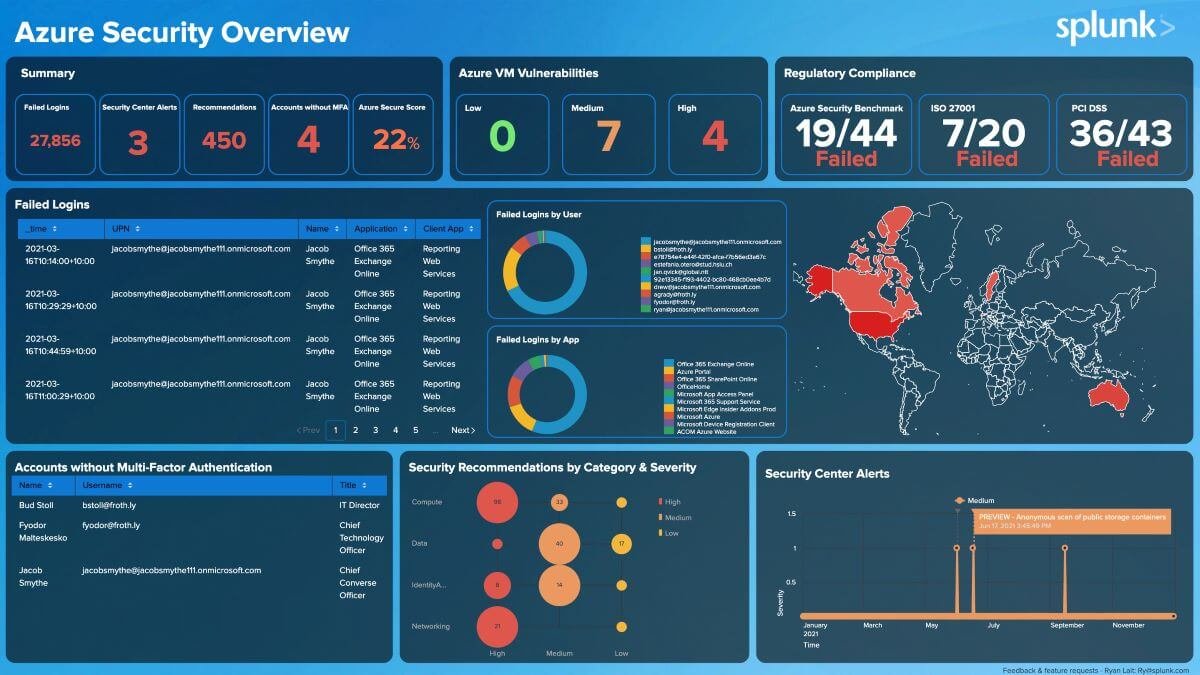
Imagine your website, the digital storefront or nerve center of your operations, suddenly goes dark or starts acting strangely. In 2026, one online store learned this lesson the hard way, losing a staggering 14% of its weekend sales because of a single, undetected 500 error. That's just a performance hit. When security lapses enter the picture, the consequences escalate dramatically—tens of millions in financial losses, crippling regulatory fines, and reputational damage that can take years, if not decades, to repair. Reactive security measures, waiting for a breach to announce itself, are no longer a viable strategy in today's sophisticated threat landscape. That's where Proactive Website Monitoring & Alerting steps in, acting as your site's advanced immune system, spotting and neutralizing threats long before they can inflict damage.
At a glance: Your Website's Best Defense
- The Threat is Real & Sophisticated: Cyberattacks are complex, involving everything from hidden malware to large-scale DDoS attacks and cunning phishing schemes.
- Reactive Isn't Enough: Waiting for a problem to surface means you're already losing. Early detection is paramount.
- Proactive Monitoring is Your Shield: It acts as an early warning system, continually scanning for vulnerabilities, suspicious activity, and performance issues.
- Real-time Alerts Drive Rapid Response: Get instant notifications across multiple channels, enabling swift action and preventing minor incidents from becoming major crises.
- Automation Fortifies Defenses: Sophisticated systems can automatically block threats, delete malicious files, and adjust firewalls in seconds.
- Beyond Detection: Continuous Improvement: Monitoring provides vital data for long-term prevention, guiding security policies, patching schedules, and compliance efforts.
The High Stakes: Why Reactive Security Is a Losing Battle
The digital world moves at warp speed, and cyber adversaries are constantly evolving. Industrial phishing scams, elusive zero-day vulnerabilities, and multi-tiered attack methods mean that if you're only reacting to incidents after they’ve occurred, you’re already behind. A breach isn’t just a technical glitch; it’s a direct assault on your brand, your customer trust, and your bottom line.
Think of it like this: would you wait for your house to be on fire before installing smoke detectors? Of course not. Similarly, waiting for a website to crash, for customer data to be exfiltrated, or for your site to be hijacked by malicious actors is an unthinkable gamble. The costs aren't just monetary; they include loss of customer confidence, legal battles, and the daunting task of rebuilding a tarnished reputation. The game has changed, and defense needs to be anticipatory, vigilant, and always-on.
Decoding the Digital Shadows: Common Cyber Threats Your Site Faces
To truly understand why proactive monitoring is crucial, you need to know what you’re up against. Cyber threats are a diverse and constantly evolving ecosystem, each designed to exploit different weaknesses in your digital infrastructure.
Malware: The Hidden Assassin
Malware, a catch-all term for malicious software like viruses, ransomware, and trojans, is designed to infiltrate systems and cause damage. It can lie dormant for months, silently collecting data, establishing backdoors, or preparing for a widespread attack. Proactive monitoring flags strange file changes, unauthorized code injections, or unusual server behavior—often the tell-tale signs of a malware infection before it detonates.
Phishing Scams: The Art of Digital Deception
These crafty attacks involve creating fake websites or web pages that perfectly impersonate legitimate ones, often to steal login credentials or personal information. They can also hijack your site's content, redirecting users to malicious destinations. Regular content and change monitoring is your first line of defense here, alerting you to unauthorized edits or suspicious redirects that indicate your site might be compromised or used as a phishing platform.
DDoS Attacks: Overwhelming Your Defenses
Distributed Denial of Service (DDoS) attacks aim to overwhelm your website with a flood of junk traffic, rendering it inaccessible to legitimate users. These attacks can reach astronomical scales, sometimes exceeding a terabit of data per second. Real-time traffic monitoring is essential for detecting and reacting to these sudden, abnormal spikes in network activity, allowing you to activate mitigation strategies before your site collapses under the pressure.
SQL Injection & Cross-Site Scripting (XSS): Database & User Manipulation
These vulnerabilities exploit flaws in how your website handles user input. SQL injection allows attackers to tamper with database queries, potentially gaining access to sensitive data or even taking control of your database. XSS injects malicious client-side scripts into web pages, which can then be executed by other users, leading to data theft or session hijacking. Monitoring tools designed to detect strange database queries, unusual code execution, or suspicious input patterns are key to catching these sophisticated attacks.
Brute-Force Attacks: The Persistence Game
Brute-force attacks involve repeatedly guessing login credentials until the correct combination is found. While seemingly unsophisticated, automated bots can launch millions of attempts per second. Watching login activity in real-time allows you to detect and block these relentless attacks by identifying excessive failed login attempts from specific IPs or patterns.
Your Website's Immune System: How Proactive Monitoring Works
Proactive monitoring isn't just about spotting problems; it's about establishing a robust "immune system" for your website, continuously scanning, analyzing, and reporting. It transforms your security posture from reactive firefighting to strategic prevention.
Uptime & Performance Monitoring: Beyond "Is It Up?"
Many people think uptime monitoring is just a simple "ping" to see if a server is responding. True proactive monitoring goes far beyond this superficial check. It constantly analyzes:
- Response Times: How quickly does your server deliver content? Slowdowns can indicate server strain or even a nascent attack.
- Resource Usage: Monitoring CPU, memory, and disk I/O helps identify unusual spikes. An unexplained surge in CPU usage coupled with network activity, for example, could be a red flag for crypto-mining malware secretly running on your server.
- Traffic Flows: Understanding normal traffic patterns is crucial. Any deviation—a sudden drop, an inexplicable surge, or traffic from unusual geographic locations—can signal trouble.
This deep dive into performance metrics allows you to catch subtle anomalies that precede a full-blown outage or security incident.
Regular Vulnerability Scanning: Hunting for Weaknesses
Think of vulnerability scanning as a continuous security audit. These tools automatically search for known risks in your system, including:
- Outdated Software: Exploiting unpatched vulnerabilities in old versions of content management systems, plugins, or server software is a favorite tactic of attackers.
- Lax Configurations: Misconfigured servers, firewalls, or applications can open backdoors.
- Open Ports: Unnecessary open ports are an invitation for unauthorized access.
- CVE-Listed Vulnerabilities: Scanners can cross-reference your system components against known Common Vulnerabilities and Exposures (CVE) databases.
- Missing Security Headers & SSL Issues: These might seem minor but can leave you exposed to various attacks and erode user trust.
By regularly scanning and addressing these issues, you can resolve new problems quickly, patching holes before attackers even find them.
Real-time Traffic Analysis: Distinguishing Friend from Foe
Not all traffic is created equal. Real-time traffic analysis uses sophisticated algorithms, often powered by machine learning, to differentiate legitimate user activity from malicious traffic. This process helps identify:
- Bots & Scrapers: Automated bots that can overload your server, steal content, or search for vulnerabilities.
- Coordinated Attacks: Detecting patterns in traffic from multiple sources that indicate a synchronized attack.
- Suspicious Reconnaissance: Attackers often "fingerprint" a website first, probing for weaknesses before launching a full assault. This subtle probing can be detected as anomalous traffic behavior.
This proactive layer is crucial for identifying threats that might bypass traditional firewall rules.
Content and Change Monitoring: Guarding Your Digital Integrity
Your website's content is its voice and often its most valuable asset. Content and change monitoring continuously watches for:
- Unauthorized Edits: Whether it's a defacement, a hidden phishing link, or a malicious script injected into a page.
- Abnormal File Changes: New files appearing in critical directories, modifications to core system files, or changes in file permissions.
- Interference: Any alteration to your site's structure or content that wasn't approved.
Alerts for such changes can indicate the presence of backdoors or malicious code. Crucially, integration with version control systems allows for quick rollbacks, restoring your site to a clean state almost immediately after detection.
The Speed of Defense: Real-time Alerts & Incident Response
Detection is only half the battle. The true power of proactive monitoring lies in its ability to trigger immediate action. When a threat is detected, speed is paramount.
Instant Notifications: Your Digital Warning System
Effective alerting ensures that the right people know about a problem the moment it arises. Modern monitoring systems send instant notifications across multiple channels:
- Email & Text Messages: Standard, reliable communication.
- Slack or Microsoft Teams: Integrations for team collaboration and rapid discussion.
- Mobile Push Notifications: Direct alerts to security personnel on the go.
Smart prioritization is key here. Not every alert warrants a 3 AM wake-up call. Intelligent systems filter and escalate alerts based on severity, helping to reduce "alert fatigue" and ensure that critical incidents get immediate attention.
The Power of Automation: Stopping Attacks in Their Tracks
In the face of sophisticated, rapid-fire attacks, human response alone can be too slow. This is where automation becomes invaluable. Sophisticated systems can act independently to:
- Block Malicious IPs: Immediately prevent further access from known threat sources.
- Delete Infected Files: Remove malware or malicious scripts before they can spread.
- Stop Questionable Programs: Shut down suspicious processes running on your server.
- Alter Firewall Rules: Dynamically adjust network security to mitigate ongoing attacks.
Intrusion Prevention Systems (IPS), often integrated with monitoring, actively prevent threats, stopping attacks within seconds of detection, not just hours or days later. This automated, rapid response capability is a cornerstone of true proactive security.
Crafting Your Incident Response Playbook: When Every Second Counts
Even with automation, human oversight and intervention are often necessary. A strong incident response plan is the backbone of effective security, combining real-time alerts with clear, predefined actions. This playbook should include:
- Clear Actions: Step-by-step instructions for various incident types.
- Escalation Steps: Who needs to be informed, and when?
- Communication Trees: How to notify stakeholders, customers, and legal teams.
- Forensics Guidance: How to collect evidence without compromising it.
- Recovery Playbooks: Detailed steps for restoring services and data.
Integrations with ticketing platforms (e.g., Jira, ServiceNow) ensure that every alert is logged, assigned, and tracked through resolution, minimizing the chance of anything being missed. This structured approach to incident response is vital for containing damage and learning from every event.
Building a Resilient Future: Long-term Prevention & Optimization
Proactive monitoring isn't a one-and-done solution; it's a continuous cycle of improvement. The data and insights gathered from ongoing surveillance are invaluable for strengthening your security posture over the long haul.
Deep Dive with Log Analysis: Post-Incident Autopsies
Every incident, even a successfully thwarted one, offers a learning opportunity. Comprehensive log analysis tools allow you to conduct "autopsies" after an event, tracing:
- Attack Methods: How did the attacker gain entry or attempt to?
- Compromised Systems/Data: What was targeted, and how far did they get?
- Vulnerabilities Exploited: Pinpointing the exact weakness that was leveraged.
Advanced log analysis tools use machine learning to identify new attack vectors and patterns that might have gone unnoticed by human analysts. This forensic insight is critical for preventing future, similar efforts and continuously refining your defenses. You can even Check for main content updates related to cutting-edge log analysis techniques.
Continuous Improvement Loop: Learning and Adapting
The insights gleaned from monitoring aren't just for fixing immediate problems. They are crucial for shaping your overall security strategy:
- Policy Refinement: Real-world incident data informs more effective security policies.
- Patching Schedules: Prioritize patches based on identified vulnerabilities and threats.
- Employee Training: Educate staff on the specific phishing tactics or social engineering schemes that have targeted your organization.
By basing decisions on real incident data, you move from theoretical security to a data-driven, practical defense strategy that adapts to the evolving threat landscape.
Safeguarding Trust with SSL/TLS Certificate Monitoring
Secure Sockets Layer/Transport Layer Security (SSL/TLS) certificates are fundamental for encrypted communication and user trust. Monitoring certificate health involves checking:
- Expiration Dates: Preventing an expired certificate from bringing down your site and flagging it as insecure.
- Health Checks: Ensuring the certificate is correctly installed and configured.
- Detection of Leaked or Rogue Entries: Identifying any unauthorized or compromised certificates associated with your domain.
A robust SSL/TLS monitoring strategy protects user data, maintains SEO rankings, and preserves customer confidence.
Navigating the Regulatory Maze: Compliance & Audit Support
For many organizations, compliance with regulations like GDPR, PCI-DSS, and HIPAA isn't optional; it's a legal and business imperative. Proactive website monitoring plays a vital role in meeting these stringent requirements by providing:
- Detailed, Audit-Ready Logs: Comprehensive records of all activity, security events, and changes.
- Proof of Due Diligence: Demonstrating that you have robust systems in place to protect data and privacy.
These detailed logs simplify compliance efforts, minimize the risk of costly fines, and provide invaluable evidence during audits or investigations.
Securing Your Digital Future
Proactive Website Monitoring & Alerting is not merely a feature; it is a necessary, fundamental component of any robust digital infrastructure. It's the difference between hoping for the best and actively ensuring the worst doesn't happen. By integrating real-time threat detection, intelligent automated responses, and actionable insights, you empower your organization to:
- Detect risks earlier: Catching subtle anomalies before they escalate.
- Respond quicker: Leveraging automation and clear incident response plans.
- Continuously measure and improve defense effectiveness: Building a truly resilient security posture.
This comprehensive approach protects not just your digital assets, but also your customer confidence, your operational continuity, and ultimately, your reputation. In an era where a single breach can be catastrophic, proactive vigilance isn't just a best practice—it's an absolute necessity. Make it the cornerstone of your online security strategy today.